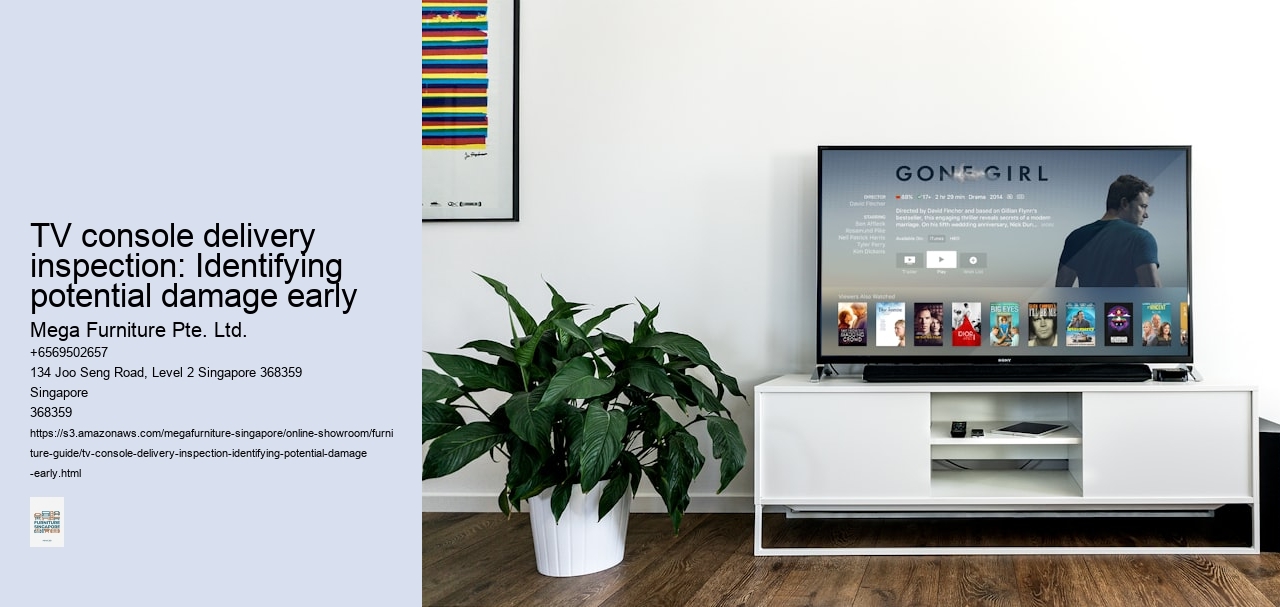
The living room TV console in a ground-floor resale flat often becomes a casualty of the climate before the TV is even upgraded. Moisture seeps in from the tiled floor, and a dog’s enthusiastic tail or scrambling claws can leave more marks than the daily news. In such an environment, a solid wood console is a sentimental but risky purchase — the planks can warp and cup within a single humid season, leaving doors that won’t close and drawers that stick. You’re better off with engineered wood, where layers of plywood or fibreboard are topped with a real wood veneer; the cross-grained construction resists expansion, but only if the edges are properly sealed with a durable laminate or PVC tape to block vapour ingress.
For absolute moisture resistance, laminates and thermofoils are the pragmatic choice. These synthetic surfaces are essentially plastic sheets fused to a substrate, creating a non-porous barrier that won’t swell in damp air. They wipe clean with a damp cloth, a feature that’s invaluable for households with pets that track in rain or spill their water bowl. The trade-off is a less tactile, sometimes colder aesthetic compared to natural grain, but the performance in a humid 4-room BTO near Bedok Reservoir is undeniable.
Scratch resistance is a separate battle. Look for finishes specifically marketed as high-pressure laminate or those with a ceramic coating; they’re designed to withstand the incidental scrapes of pet claws and the occasional bump from a robot vacuum. A textured or matte finish will also do a better job of hiding fine scratches than a high-gloss piano lacquer, which shows every single mark under the afternoon sun from a west-facing window.
Avoid porous, unfinished materials altogether in these settings. That includes certain open-grain woods, concrete-look MDF, or any surface that feels absorbent to the touch. They’ll act like a sponge for ambient humidity and are notoriously difficult to clean if a pet has an accident. The goal is a console that functions as a sealed unit, protecting not just your media gear but its own structure from the dual assaults of Singapore’s weather and domestic life. For a range of options built with these challenges in mind, you can browse the engineered wood and laminate consoles at Megafurniture’s collection.
A drawer’s dovetail joints tell you everything about the console’s hidden quality. Machine-cut dovetails in rubberwood or oak are tight and uniform, with no visible gaps or excess glue squeezing out. You’ll find these on better solid wood and plywood units; stapled or glued butt joints on cheaper particle board drawers are a clear downgrade. Run a finger along the inside seam—it should feel smooth and continuous. Loose joints here predict wobble and eventual failure under the weight of game consoles and media players, long before the TV itself becomes a problem.
The action of a drawer is its own quality report. Full-extension, soft-close glides feel substantial and silent, allowing complete access to the back of a deep drawer. Cheap roller slides often sag or stick, especially when loaded with heavy AV equipment, and they rarely pull out far enough. Test them repeatedly with a firm push and pull—any grating sensation or lateral wobble is a fail. In a media console, where drawers are opened daily for remotes and accessories, this is a point of constant friction or daily satisfaction.
That flimsy sheet of cardboard nailed to the back is a classic weak point in budget furniture. A proper back panel should be screwed, not just tacked, into the cabinet’s main frame, using at least 5mm thick fibreboard or, better yet, plywood. Give the panel a firm push; if it flexes or bows easily, the entire structure lacks the racking resistance needed for stability. This is critical for a floor-standing unit that might get nudged during cleaning or if children lean against it—a solid back is what keeps the whole box square.
Particle board shelves over about 90cm are almost guaranteed to bow without a central support bracket, especially under a 65kg OLED and soundbar. Look for a vertical divider or a metal strut running front-to-back beneath the shelf. For open shelving, a slight upward camber in the design is a good sign—it compensates for future sag. Press down on the centre of any long shelf during inspection; noticeable flex means you’ll be staring at a drooping line for the console’s entire life, which is surprisingly annoying.
Wall-mounted or tall, narrow consoles absolutely must include anti-tip hardware, usually a steel bracket and wall screws. It’s a non-negotiable safety feature, particularly in homes with young children who might climb. Check the packaging and instructions for these fittings—if they’re not in the box, the manufacturer hasn’t taken stability seriously. Even for floor-standing units in a BTO living room, securing it to the wall is a smart, final step that prevents a costly and dangerous topple during an accidental bump.
A dark console against light walls draws the eye downward, shrinking the room — it’s a tunnel effect buyers often don’t anticipate until the unit arrives. That’s especially true in a typical BTO living room where walls are already close. The console becomes a visual anchor, and everything else recedes. Built-in media walls solve the floating-TV problem, but they often ignore cable management. You’ll see a sleek console with a hidden compartment for the A/V receiver, then a bundle of HDMI and power cables snaking out from a single poorly-placed grommet. Plan for multiple access points, or you’ll be wrestling cords every time you need to plug in a game controller. Depth is another overlooked spec. Standard consoles run 40–45cm deep, which fits a soundbar but not a proper receiver or a gaming console with its rear vents. In many setups, that forces the equipment onto the open shelf above, turning a clean design into a cluttered tech display. Measure your deepest component first — typically the receiver — then add 5cm for cable clearance. In compact homes, prioritising a low price over adequate storage is a common trade-off. A console might look proportionate under a 65-inch TV, but if it only offers two drawers, where do you put the router, the remotes, the spare blankets? That’s when buyers end up stacking things on top, defeating the purpose. For longer walls, consider a console with a mix of concealed cabinets and open shelving; it keeps the visual line low but actually holds everything. Finally, there’s the delivery moment itself. A console is a large, flat-packed item — check for corner dents and scratches along the front fascia immediately, as these are hard to repair convincingly. Accepting a damaged unit because you’re eager to set up the TV only means you’ll stare at that flaw every evening. Take the time to inspect properly, referencing the
TV console collectionfor dimensions and finish details before committing.
That laminated oak finish you saw online might look like solid wood under studio lights, but Singapore's afternoon sun through a Bedok condo window tells a different story. It’s why visiting a showroom matters — you’re not just checking size, you’re stress-testing the piece against your actual living conditions. At Megafurniture’s Joo Seng showroom, you can take material samples directly under the ambient light to see if a grey-washed oak will look washed-out or perfectly muted in your north-facing living room. It’s a simple, critical step that online galleries can’t replicate. You’ll also want to test the hardware. Run the drawers on a 2.4-metre console model; feel for any catch or wobble that a product photo hides. A smooth glide under full load — think gaming consoles and amplifier stacks — is what you’re after, and it’s only verifiable in person. Then, inspect the finish consistency across that entire length, checking for colour variation at the seams where two panels meet. A slight mismatch might be invisible in a warehouse but will glare at you daily in a minimalist media wall setup. For east-side condo owners, where sea air drives humidity levels up, a detailed warranty chat is non-negotiable. Showroom staff can clarify exactly what constitutes ‘humidity damage’ for that veneer or laminate, and what’s covered. That’s specialised knowledge you won’t get from a generic FAQ page. It turns a speculative purchase into a calculated one. Ultimately, you’re buying a centrepiece for your living room, not a disposable side table. The few hours spent at Joo Seng are an investment against the years of minor irritations a poor choice creates — drawers that stick every monsoon season, or a finish that fades unevenly. You can
browse the full rangeonline first, but final confirmation should always happen with your hands on the actual product.
Delivery day in an HDB block often fails at the lift lobby. A 240cm TV console, still strapped to its pallet, won’t pivot around the corner from the lift to the staircase — and that’s before you account for the neighbour’s shoe rack. Pre-measure the clearances. Most BTO doors are a standard 80cm wide, but the critical path is the corridor width from lift to your unit; you’ll need at least that width plus 30cm for the delivery crew to manoeuvre. Plan to unpack the entire piece in the common corridor, removing all protective packaging and the cardboard outer before attempting entry. It’s a messy, public process, but it’s the only way to avoid gouging your new door frame or the console’s sintered stone top.
Once inside, the inspection starts. Immediately check for shipping braces. These are small wooden blocks or plastic brackets screwed into the back of floating console units, designed to stabilise the wall-mounted frame during transit. They’re easy to miss, and leaving them on during installation will prevent the console from sitting flush against the wall. A proper installer will remove them, but it’s your job to verify they’re in the packaging debris, not on your bracket.
Pay particular attention to any particle board components, like internal shelves or drawer boxes, if the console spent time in the rain. Singapore’s sudden downpours are notorious for catching deliveries off guard. Refuse assembly if you see visible swelling along the laminate edges or a darker, damp patch on the board — that moisture is sealed in, and it’ll only lead to warping or mould later. A reputable crew won’t argue; they’ll note it for a replacement.
This protocol isn’t just pedantry. Accepting a damaged unit means weeks of back-and-forth for a swap, and you’re left with a giant box in your 4-room BTO living room. A thorough corridor-side inspection turns a potential headache into a simple signature. Then you can finally focus on whether the console’s centre is actually aligned with your TV bracket.
The questions in the showroom queue are always more revealing than any spec sheet. You'll hear a father at the Tampines outlet, tape measure in hand, asking if a console can really hold his new 75-inch panel — it's the most common query after a year-end bonus. The answer is yes, but with a critical caveat: you need a unit at least 210cm long, and a centre support leg is non-negotiable to prevent that expensive bow in the middle after a few humid seasons. Material choice here is less about aesthetics and more about climate defence. Laminate wins over wood veneer in a heartbeat for humidity resistance; it's a sealed, plastic-based skin that simply won't absorb moisture from the air. Veneer, while beautiful, is a thin slice of real wood glued to a substrate — and that glue can fail, or the wood itself can warp. Most manufacturers won't cover veneer peeling under warranty, classifying it as environmental wear and tear rather than a manufacturing defect. For a family in a three-room resale flat with a toddler, the best console isn't about style first — it's about survivability. Rounded, softened edges on every corner are a must to prevent forehead stitches, and soft-close drawers are essential for little fingers that love to slam things. You're looking for a workhorse that hides the clutter of toys and remotes, with a top surface that can survive a rogue sippy cup. It's a piece of furniture that has to solve three problems at once: fit the tech, withstand the climate, and survive the household. That's why the most practical choice often looks simple — a long, sturdy laminate box with thoughtful details, which you can
browse in the collectionto see how those features translate off the page. The right one disappears into daily life, which is the highest compliment you can pay it.
The last walk-through before your console arrives is where the abstract plan meets your actual walls. It’s also where you’ll kick yourself for not confirming the electrician installed a switched spur point exactly where you wanted your built-in LED strips to plug in. That detail gets missed more often than you’d think, leaving you with cords trailing to a distant socket or a light you can’t easily turn off.
Think past the immediate setup, too. If you’re eyeing a soundbar or a future surround system upgrade, measure the console’s internal cavity depth against the specs of potential receivers. A sleek, shallow unit might force you into pricier, compact audio gear later; a deeper design, even by just a few centimetres, buys you flexibility. For BTO flats, timing is everything—schedule delivery for after the painting is completely dry but before the TV mount goes on the wall. That narrow window lets you position the heaviest piece without risking a fresh coat of paint and gives you clear access for the installer.
Once it’s in your living room, keep the packaging. Not tucked in a corridor riser where it’ll be a nuisance, but somewhere accessible for a full seven days. That’s typically the period when transit-related stress fractures or manufacturing defects become apparent under real use, and most retailers will require original packaging for a return or exchange. It’s a hassle, but less of one than discovering a faulty drawer runner on day eight with only bubble wrap to your name.
A final, practical note: the delivery team isn’t there to troubleshoot your power points or calibrate your sound. Their job is to get the unit off the truck, into your flat, and assembled if that’s part of the service. Have your own contractor or a technically-minded friend on standby if you’re integrating complex wiring, because once the crew leaves, you’re on your own with the cables.
A 180cm TV console looks like a natural fit for a 4-room BTO's living area - until you realise the feature wall is only 195cm wide, leaving a scant 7.5cm of buffer on each side. That's the reality in many newer HDB layouts, where a 12 sqm living space demands millimetre precision. The old rule of thumb, matching console length to TV width plus a 20–30cm buffer, still holds; it prevents the television from looking like it's teetering on a too-narrow ledge. For a common 65-inch TV (around 145cm wide), that maths suggests a console between 165cm and 175cm, which is why the 180cm size has become a default favourite for its generous proportions.
In condos with dedicated media walls, the calculation shifts toward creating an integrated look. A TV console anchors the wall opposite the sofa in the same way a tall bookshelf anchors a corner — long horizontal piece, mix of open and closed storage, defines the visual weight of one whole side of the room. Megafurniture's TV Console range covers floating wall-mounted designs, low-profile freestanding consoles, and modular feature-wall configurations. Most pieces sit at 40-50cm height, sized for screens up to 75 inches.. Here, floating consoles or full-wall units that stretch nearly corner-to-corner are popular, as they hide clutter and present a clean, architectural line. The goal isn't just to support a screen but to organise an entire entertainment ecosystem - gaming consoles, soundbars, routers, and the inevitable tangle of cables - behind closed doors or within sleek drawers.
Buyer wants storage that doesn't compromise the room's sense of space. A console's depth is just as critical as its length; anything over 45cm can start to encroach awkwardly into a narrow living room's circulation path. That's why many opt for slimmer profiles around 35–40cm, which still accommodate most AV equipment without dominating the floor plan. The height, typically between 40cm and 60cm, also plays a role in viewing comfort and the overall visual weight of the piece.
Material choices often follow from these spatial constraints. Light-toned rubberwood or oak veneers can help a substantial console feel less imposing in a tight area, while sintered stone tops offer a durable surface that resists stains from coffee cups or plant pots. For those furnishing a feature wall, browsing the full range of console dimensions and finishes is a practical first step, allowing you to visualise the final proportions before committing to a purchase.
A 180cm TV console looks like a natural fit for a 4-room BTO’s living area — until you realise the feature wall is only 195cm wide, leaving a scant 7.5cm of buffer on each side. That’s the reality in many newer HDB layouts, where a 12 sqm living space demands millimetre precision. The old rule of thumb, matching console length to TV width plus a 20–30cm buffer, still holds; it prevents the television from looking like it’s teetering on a too-narrow ledge. For a common 65-inch TV (around 145cm wide), that maths suggests a console between 165cm and 175cm, which is why the 180cm size has become a default favourite for its generous proportions.
In condos with dedicated media walls, the calculation shifts toward creating an integrated look. Here, floating consoles or full-wall units that stretch nearly corner-to-corner are popular, as they hide clutter and present a clean, architectural line. The goal isn’t just to support a screen but to organise an entire entertainment ecosystem — gaming consoles, soundbars, routers, and the inevitable tangle of cables — behind closed doors or within sleek drawers.
Buyer wants storage that doesn’t compromise the room’s sense of space. A console’s depth is just as critical as its length; anything over 45cm can start to encroach awkwardly into a narrow living room’s circulation path. That’s why many opt for slimmer profiles around 35–40cm, which still accommodate most AV equipment without dominating the floor plan. The height, typically between 40cm and 60cm, also plays a role in viewing comfort and the overall visual weight of the piece.
Material choices often follow from these spatial constraints. Light-toned rubberwood or oak veneers can help a substantial console feel less imposing in a tight area, while sintered stone tops offer a durable surface that resists stains from coffee cups or plant pots. For those furnishing a feature wall, browsing the full range of console dimensions and finishes is a practical first step, allowing you to visualise the final proportions before committing to a purchase.